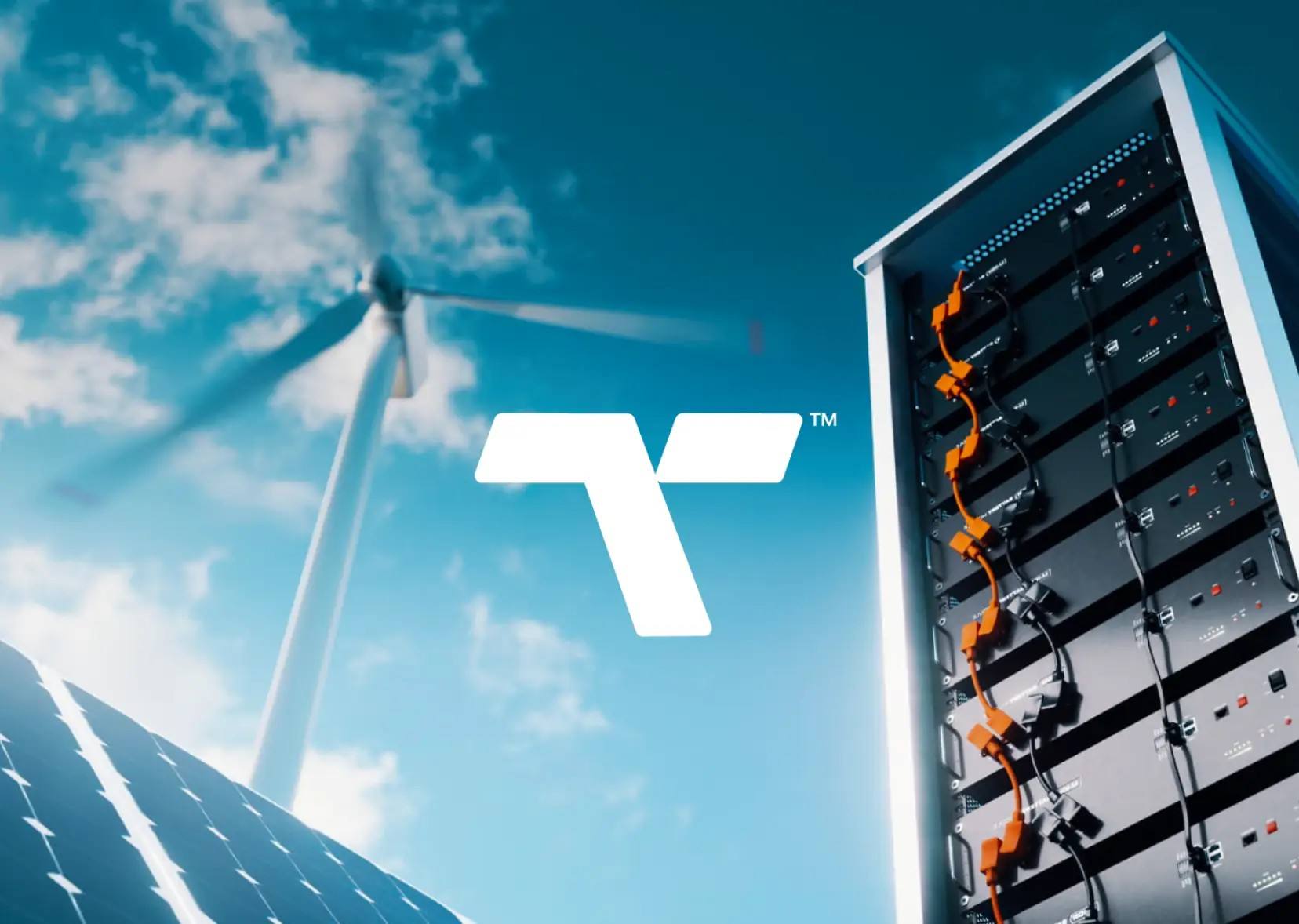
Battery storage with a brain.
A battery energy storage system (BESS) stores electricity when it is cheap or abundant and releases it when it is valuable. An energy management system (EMS) decides when that should happen.
What is a BESS?
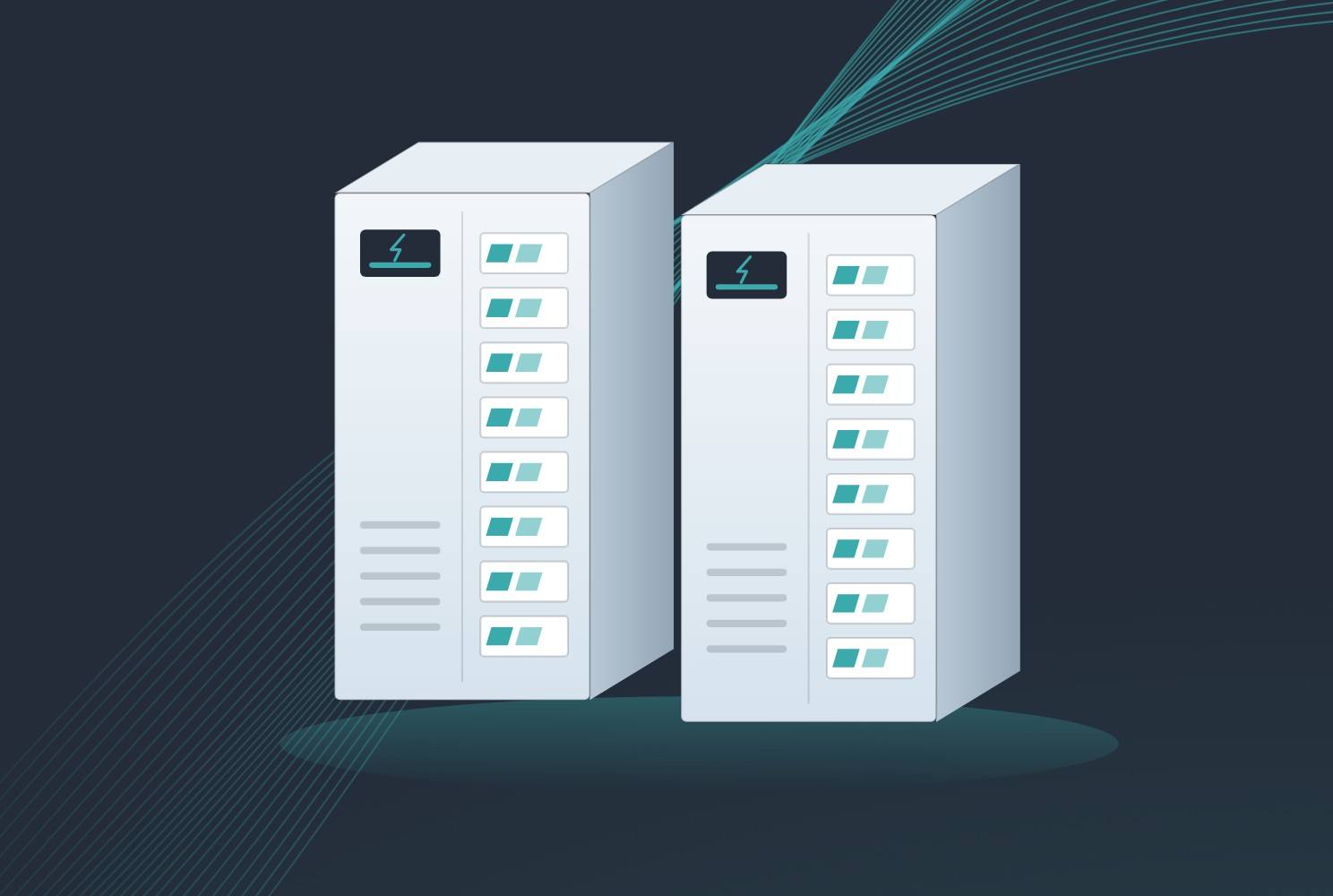
A battery energy storage system is a set of batteries, power electronics and controls that charges from solar panels or the grid and discharges when energy is needed.
Modern commercial systems use lithium iron phosphate (LFP) cells: a safe, long-life chemistry built for thousands of daily cycles.
What is inside
- Battery modules
- LFP cells grouped into modules and racks. They hold the energy.
- Battery management system (BMS)
- Monitors every cell’s voltage and temperature and keeps the battery within safe limits.
- Power conversion system (PCS)
- The bidirectional inverter that charges and discharges the battery and connects it to the grid.
- Thermal management
- Liquid or air cooling that keeps cells at the right temperature for long life.
- Fire detection & suppression
- Gas and smoke detection with an integrated suppression system.
- Energy management system (EMS)
- The software that decides how the whole system operates.
See how the energy flows
Choose a scenario. The EMS switches between them automatically, many times a day.
At midday the PV covers the site and the surplus charges the battery instead of being exported at a low price.
What storage does for your business
Peak shaving
Cut demand peaks and avoid exceeding contracted power.
Load shifting & arbitrage
Buy energy at low prices and use or sell it at high prices.
More solar, used on site
Store midday surplus and use it in the evening instead of exporting it cheaply.
Backup & power quality
Keep critical processes running during outages and voltage dips.
Export limitation
Install more PV where grid export capacity is limited.
Grid services
Earn revenue by providing flexibility to the grid operator.
What is an EMS?
The energy management system is the control layer for PV, batteries, the grid connection and flexible loads. It reads data in real time, forecasts production, consumption and prices, and runs the strategy that brings the most value.
-
Real-time monitoring
Production, consumption, state of charge and grid exchange on one dashboard.
-
Forecasting
Weather, load and price forecasts to plan charging and discharging ahead.
-
Optimisation strategies
Peak shaving, self-consumption, tariff optimisation and export limits, combined as needed.
-
Remote control & alerts
Secure remote access, alarms and over-the-air parameter changes.
-
Reporting
Savings, energy and CO₂ reports for management and ESG disclosure.
-
Open integration
Works with existing inverters, meters, SCADA and building management systems.
What Terravolt does
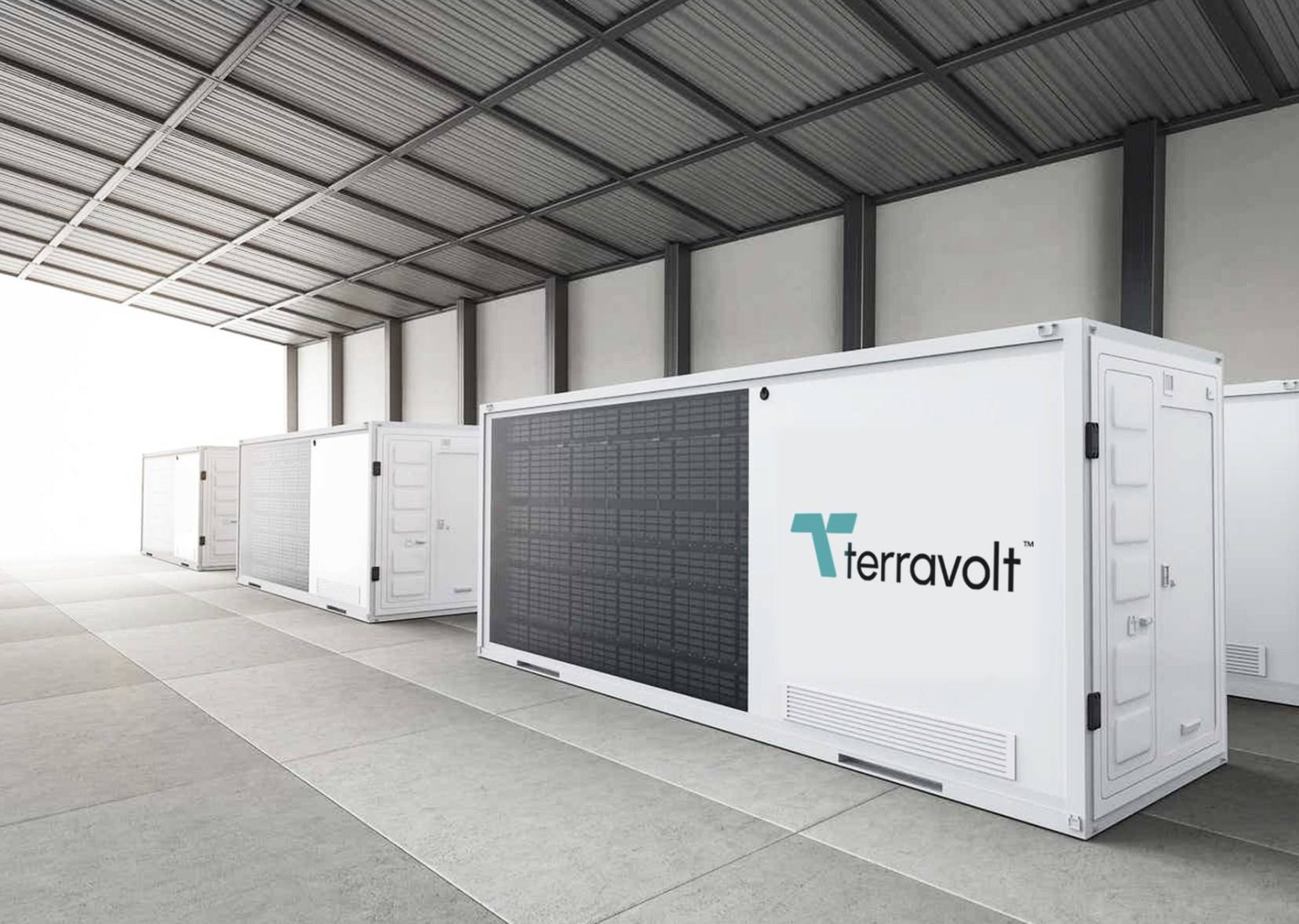
We size the system from your real consumption data, select the equipment, engineer the integration with your existing installation, install and commission it, and configure the EMS strategy. Then we keep it performing.
Questions we often hear
How big should a battery be?
It depends on what it has to do. Peak shaving needs high power for short periods; shifting solar to the evening needs more energy capacity. We size it from your 15-minute metering data.
How long do batteries last?
LFP systems are typically rated for 6,000 cycles or more and a service life of 15 years or longer, depending on how they are operated.
Are battery systems safe?
LFP chemistry is thermally stable, and commercial systems include cell-level monitoring, thermal management and integrated fire detection and suppression. We design installations in line with applicable fire safety rules.
Do I need solar panels to have a battery?
No. A battery can charge from the grid at low prices and discharge at peak times. Combined with solar, though, the savings are usually greater.
Ready to discuss a project?
Tell us about your site and your energy use. We will come back with a first technical view and the next steps.
Send an enquiry
We reply within one business day.